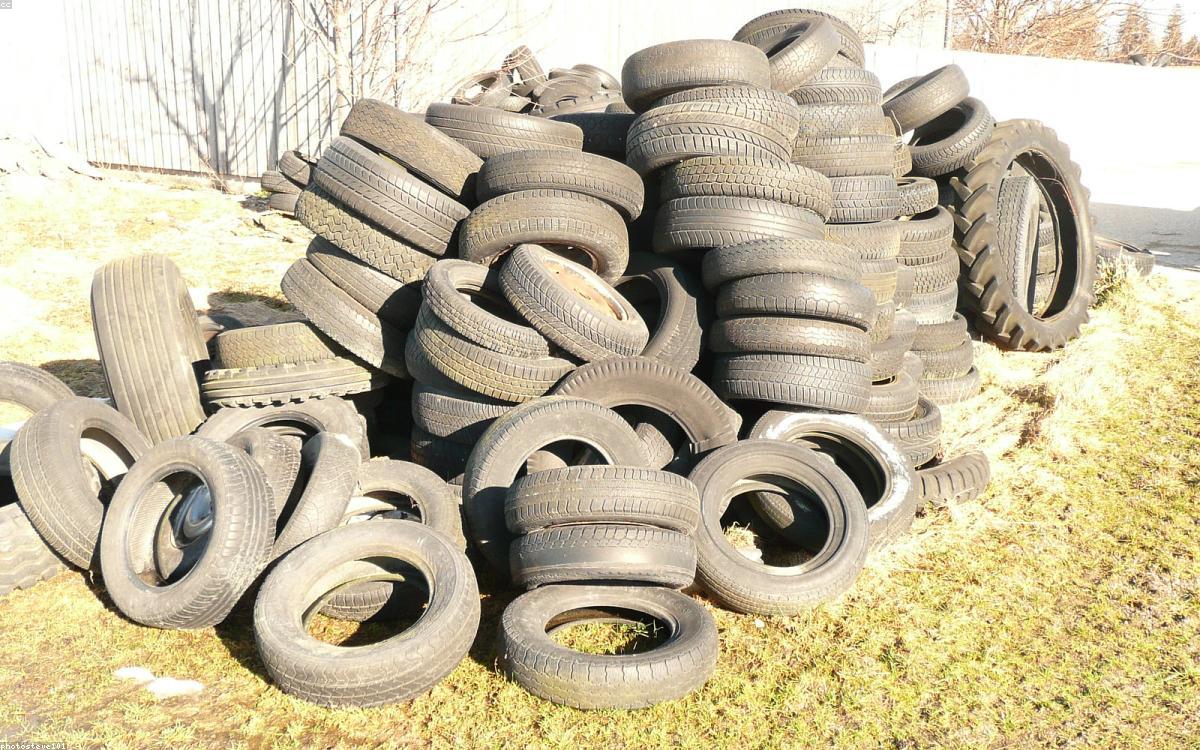
Rubber-to-Fuel (Tyre Pyrolysis)
Waste tyres into Tyre Pyrolysis Oil (TPO), carbon black, steel & gas
What is Rubber-to-Fuel (Tyre Pyrolysis)?
Tyre pyrolysis (rubber-to-fuel) thermally decomposes end-of-life tyres into Tyre Pyrolysis Oil (TPO), recovered carbon black (rCB), steel wire and combustible gas. India generates large volumes of waste tyres, making feedstock plentiful.
Operations must follow the CPCB SOP for TPO units (latest revision), including PLC automation, Zero Liquid Discharge and EPR registration. Newer norms favour continuous-type, higher-capacity, well-controlled plants.
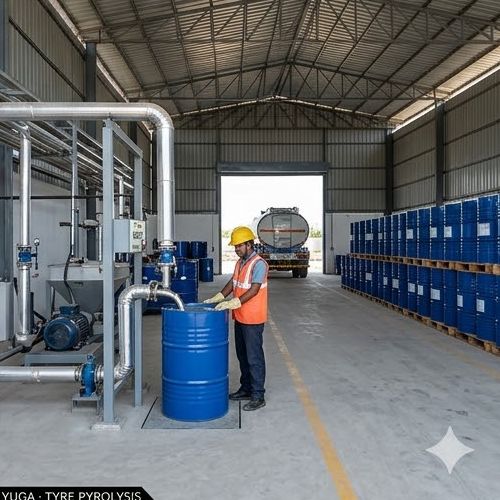
Benefits
- Four revenue streams — TPO oil, carbon black, steel wire and gas
- Abundant feedstock — millions of end-of-life tyres each year
- Strong margins — payback frequently in ~12–24 months when optimised
- Environmental value — removes a hazardous waste-tyre stockpile
- EPR aligned — supports tyre producers' recycling obligations
Applications & buyers
- TPO sold as industrial fuel or further refined
- Recovered carbon black for rubber, plastic, masterbatch, pigment uses
- Steel wire scrap sold to steel/foundry units
- Gas recycled to heat the reactor, reducing running cost
Specifications
Plant & machinery
What goes in, what comes out.
Per 10 TPD waste-tyre input
Standards & testing.
Cost, output & payback.
Indicative for a ~5–10 TPD tyre pyrolysis unit (continuous, CPCB-compliant scale varies).
Rubber-to-Fuel
Cost & ROIIndicative only — actual figures depend on capacity, location, raw-material price and utilisation. Contact us for an exact DPR.
Figures are for plant supply only — land and working capital are separate — and reflect a batch / semi-continuous build. Fully-continuous, automated, premium-spec production plants cost more (roughly ₹0.8–1.2 Cr per TPD). Your exact cost is fixed in a site-specific DPR.
Best Indian states for this plant.
Transport hubs = waste-tyre supply; Gujarat allows continuous units; industrial fuel demand.
How much land you'll need.
Indicative plot size by capacity — we lock the exact figure to your layout and feedstock plan during feasibility.
Indicative footprint per capacity tier. Actual plot size depends on layout, feedstock storage, effluent/ZLD provisions, future expansion and statutory setbacks — finalised in the feasibility / DPR stage.
Licences & permissions you'll need.
Core approvals plus the extras specific to this plant — pick your state to see the nodal authority. We handle the full filing as part of PMC.
Licences & permissions
Gujarat PCB + Investor Facilitation Portal (single-window) under the Gujarat Industrial Policy.
Indicative — the exact licence set depends on product, capacity, category (red/orange) and the latest state norms. We handle the full filing as part of PMC. Verify on application.
Extra revenue, and where it's running.
Indicative — actual eligibility, methodology, credit volume and price depend on the registry, feedstock and verification. We structure the MRV pathway as part of PMC; contact us for a project-specific assessment.
Documents & deliverables we provide.
Reports, drawings, working procedures and compliance docs — the full pack that takes the plant from paper to production.
Reports & financials
- Detailed Project Report (DPR)
- Bank DPR + CMA data (bank format)
- 5-year financial model — P&L, balance sheet, cash flow
- ROI / IRR / break-even & sensitivity analysis
- Feasibility & techno-economic report
- Subsidy & loan eligibility memo
Drawings & engineering
- Plant layout & general-arrangement drawings
- Process flow diagram (PFD) & P&ID
- Civil & foundation drawings
- Electrical & utility layout
- Equipment & machinery specification sheets
- Site plan & location scoring
Working & process docs
- Standard Operating Procedures (SOPs)
- Production & blending process manual
- Quality-control test protocols (penetration, softening, ductility)
- Raw-material & input–output (mass balance) sheets
- Operator training & safety manual
- Vendor / OEM list with negotiated pricing
Compliance & market
- Licence & permission checklist (product + state)
- Standards pack — IS / ASTM / MSDS
- Tender & empanelment documentation (NHAI / PWD)
- Buyer network & sales-support pack
- Carbon-credit MRV documentation (optional)
Exact deliverables are scoped per engagement and product. The full pack is provided as part of PMC — contact us for a project-specific document list.
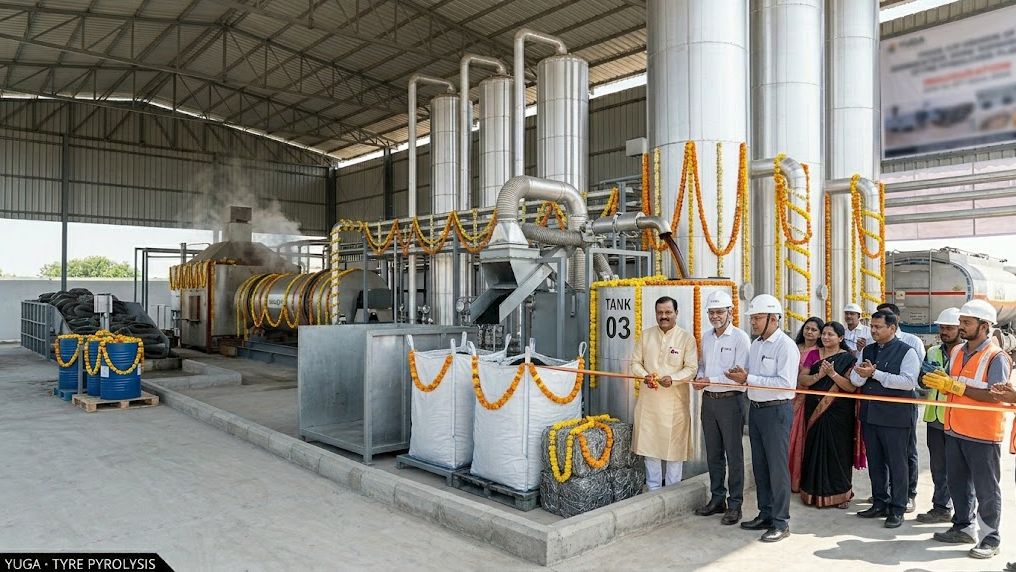
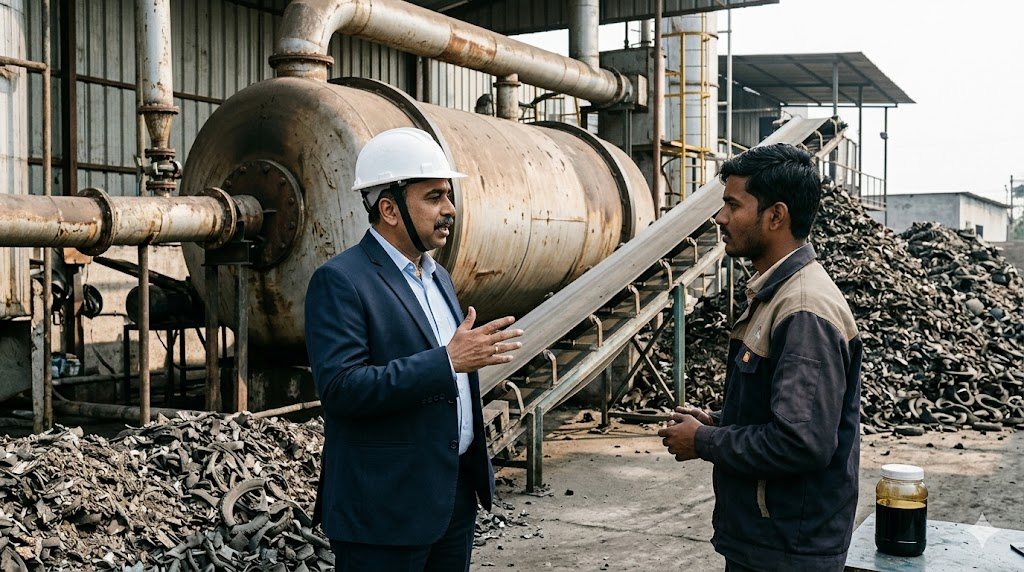
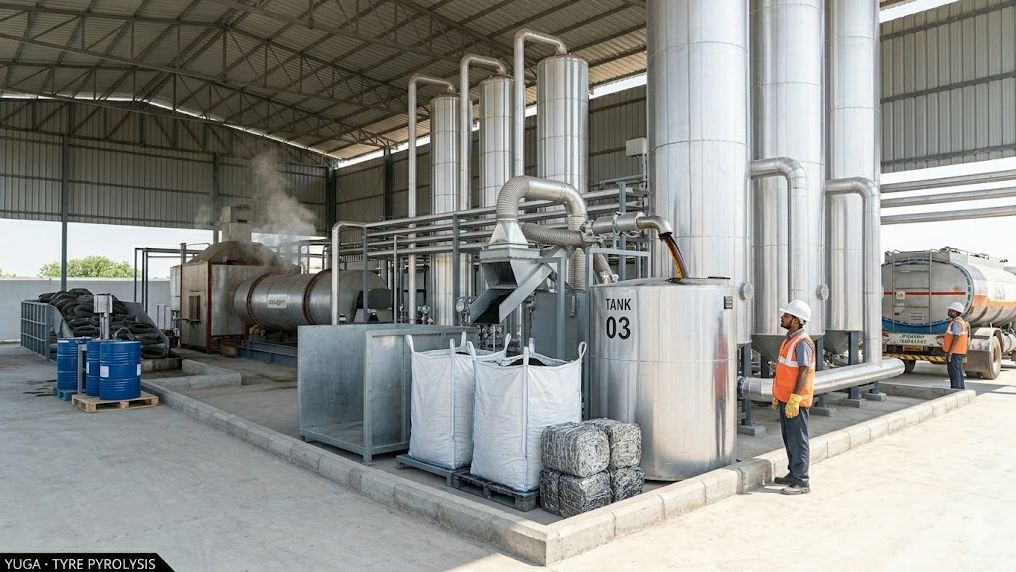
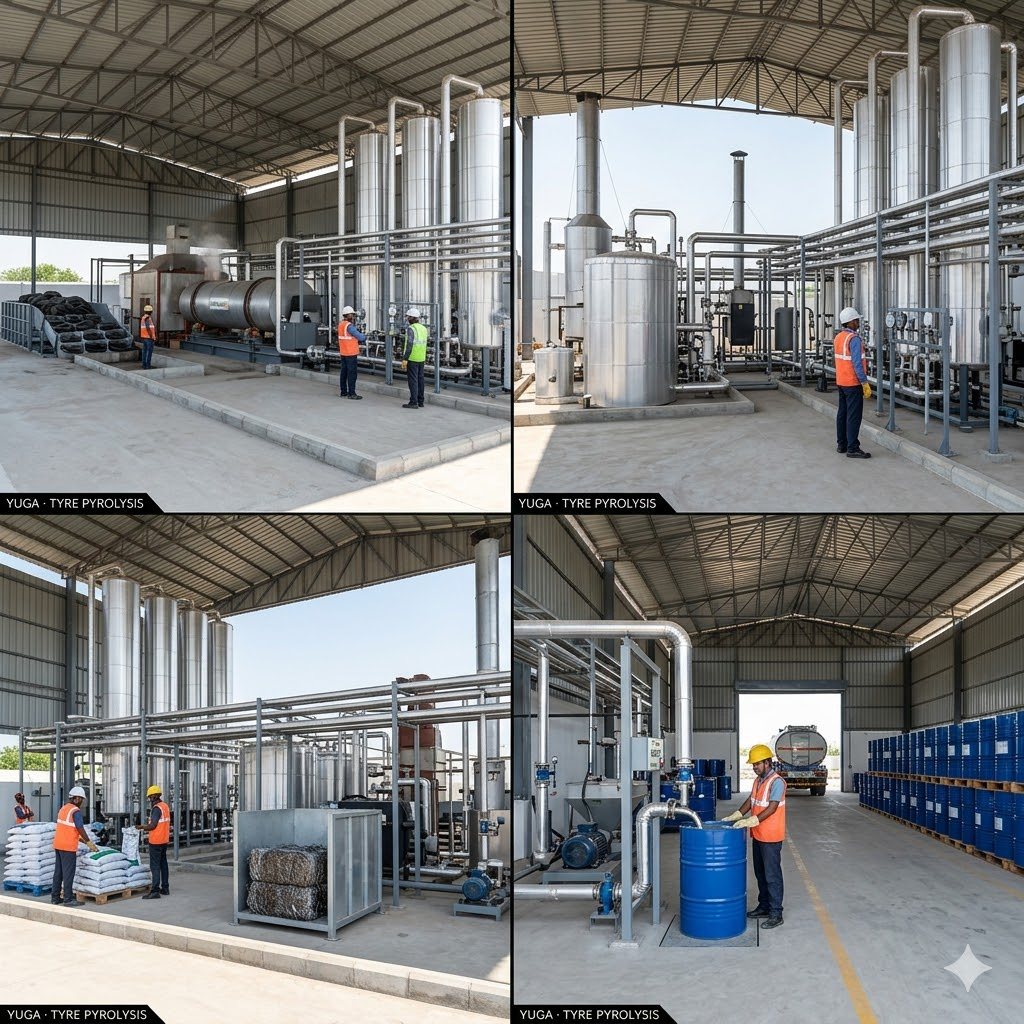
One plant, four angles.
Front, both sides and the working floor — the same facility from every angle.
Top questions, answered.
A process that heats waste tyres without oxygen to recover oil (TPO), carbon black, steel and gas.
Pairs well with.
Plan your Rubber-to-Fuel (Tyre Pyrolysis) plant with YUGA.
From feasibility to first commercial production - and the capital to fund it.